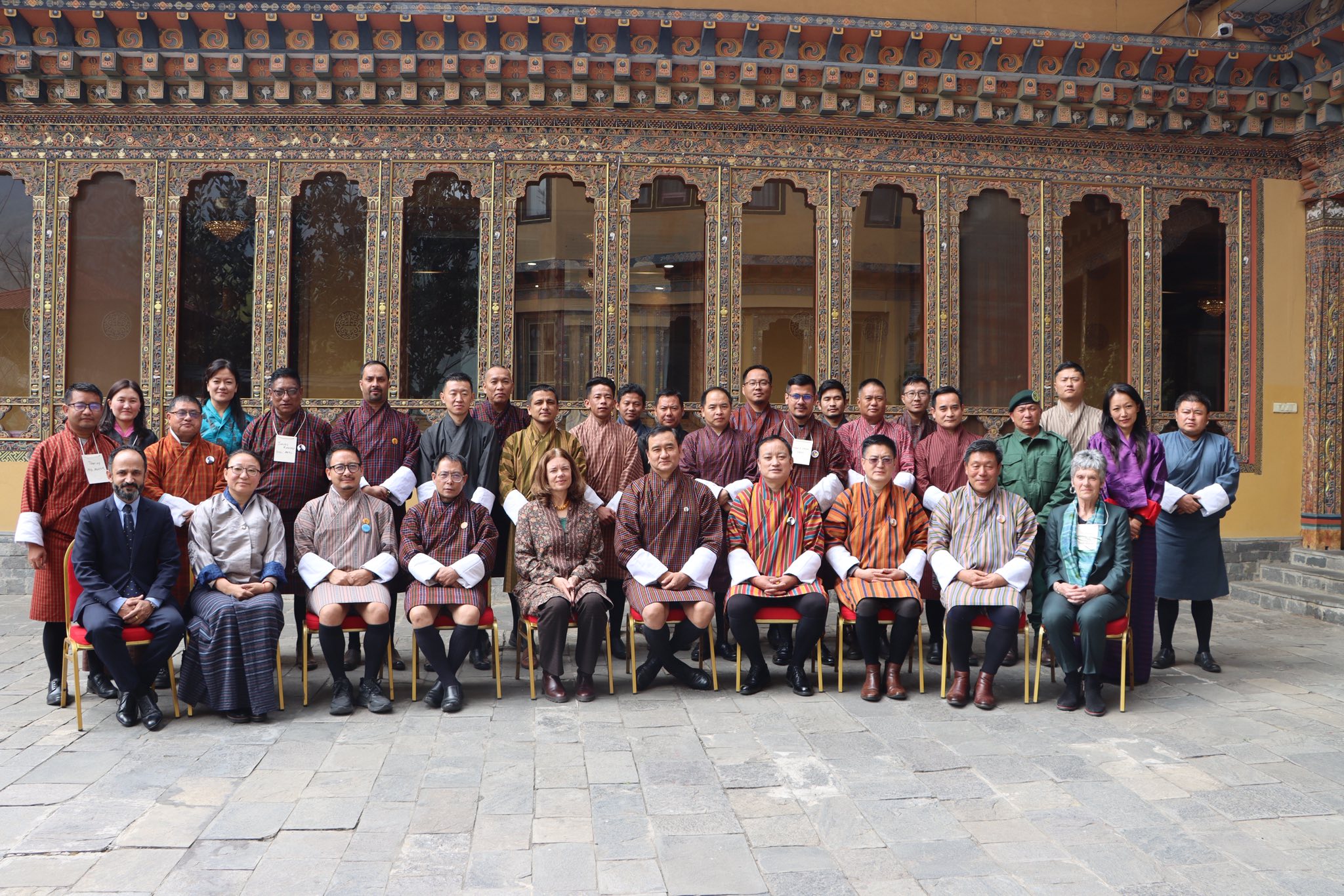
The Ministry of Energy and Natural Resources as the national focal Ministry for International Centre for Integrated Mountain Development (ICIMOD) in Bhutan convened the Bhutan Consultation to co-design and jointly prepare the ICIMOD’s VI Medium-Term Action Plan (2027–2030) on 9 March 2026 in Thimphu.
The consultation brought together representatives from government agencies, partner institutions, and key stakeholders to discuss Bhutan’s priorities and strategic directions for future collaboration with ICIMOD. The meeting also reviewed the progress and key achievements of the ICIMOD–Bhutan partnership under the current Medium-Term Action Plan V (2023–2026).
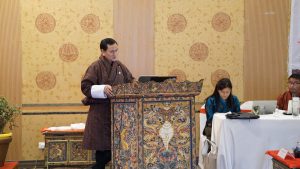
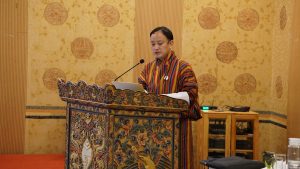
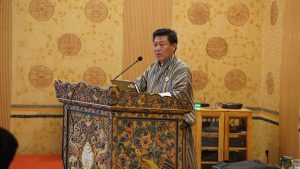
Dasho Secretary, MoENR in his opening remarks highlighted the importance of the upcoming MTAP-VI in advancing more impactful and scalable initiatives. He emphasized the need to move beyond small pilot projects toward investment-ready programs capable of delivering tangible economic and environmental benefits. In line with Bhutan’s 13th FYP and the nation’s 10X Vision, Dasho stressed the importance of strengthening climate resilience, access to international climate finance, promoting sustainable natural resource management, and supporting Bhutan’s long-term economic transformation.
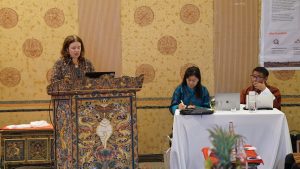
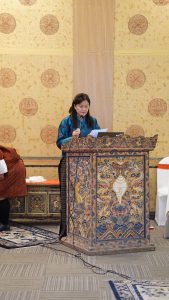
The Deputy Director General (DDG), ICIMOD emphasized the importance of strengthening country engagement while focusing on fewer, critical priorities to ensure sustained delivery. She reiterated that a key priority under ICIMOD’s Strategy 2030 is deepening partnerships with governments so that ICIMOD’s work responds directly to national needs and acknowledged the Royal Government of Bhutan for its leadership, valued partnership, and strong commitment to sustainable development and environmental stewardship. She noted that collaboration has been supported through effective coordination mechanisms such as the Bhutan–ICIMOD Coordination Committee (BICC) and Technical Working Groups. She also highlighted that the region faces growing challenges; including geopolitical instability, volatile development and climate finance, and accelerating climate and environmental risks and that ICIMOD aims to respond with more focused, demand-driven and agile work that translates scientific evidence into policy, implementation, and investment across the Hindu Kush Himalaya (HKH Region).
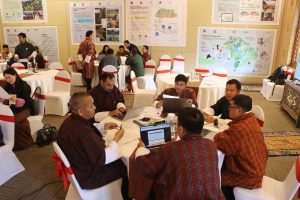
Stakeholders synthesized Bhutan’s priorities for MTAP-VI into five thematic areas: Climate, Cryosphere and Disaster Resilience; Ecosystem and Nature-Based Solutions (NbS); Green Economy and Sustainable Livelihoods; Circular Economy and Pollution Management; and Science–Policy Integration and Access to Global Finance.
The outcomes of the consultation will shape the ICIMOD’s MTAP VI (2027–2030), ensuring stronger alignment with Bhutan’s policy priorities while advancing sustainable mountain development across the HKH region.
Launching of two digital tools to support sustainable rangeland management and strengthen the livelihoods of Bhutan’s highland communities.
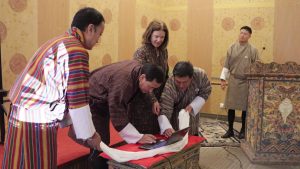
During the consultation meeting, the Royal Government of Bhutan and the ICIMOD also launched two digital tools to support sustainable rangeland management and the livelihoods of highland communities. Firstly, Tsamdro App has been redeveloped to improve field data collection, building on an earlier version that helped survey and map about 380,000 acres of tsamdro (grazing land)
Secondly, the Tsamdro and Herder Mobility Dashboard, developed by ICIMOD in collaboration with the Department of Forests and Park Services (DoFPS), Department of Livestock (DoL), and the National Land Commission Secretariat (NLCS), provides an integrated platform to visualize grazing areas, herder mobility patterns, and other spatial data to support planning and decision-making.
Together, these tools strengthen data-driven governance of Bhutan’s rangelands, with the National Land Commission serving as the central repository to ensure quality standards, coordinated data management and access for relevant sector agencies.