Punakha, Bhutan | Aug 17, 2026
The inauguration of two renewable energy-powered lift irrigation systems at Humpathang and Tempakha in Punakha Dzongkhag, Bhutan, marks a significant step toward improving access to irrigation and promoting climate-resilient agriculture, providing sustainable energy solutions for mountain communities.
The pilot systems have been developed and installed under the Women Empowerment through Renewable Energy-powered Lift Irrigation Systems (WERELIS) project, implemented by the International Centre for Integrated Mountain Development (ICIMOD) in partnership with the Department of Energy (DoE), Ministry of Energy and Natural Resources, and field implementing partner, Bhutan Ecological Society (BES), with financial support from the International Development Research Centre (IDRC), Canada.
With only about 20 percent of Bhutan’s arable land currently irrigated, and water scarcity worsened by climate variability, the systems use clean energy to lift water from rivers and streams to farmland that traditional gravity-fed irrigation cannot reach.
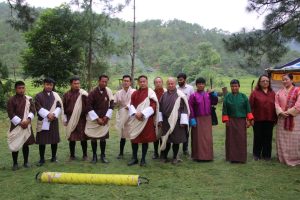
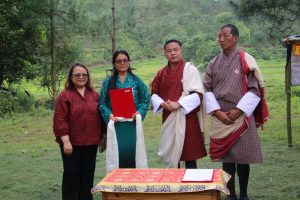
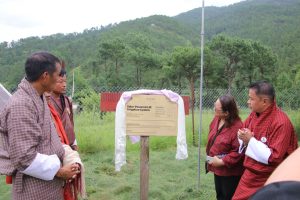
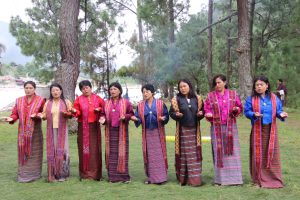
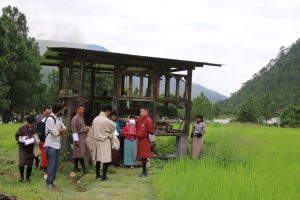
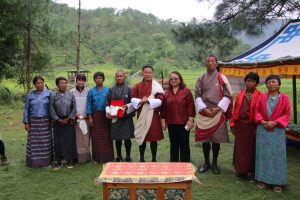
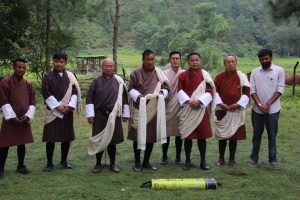
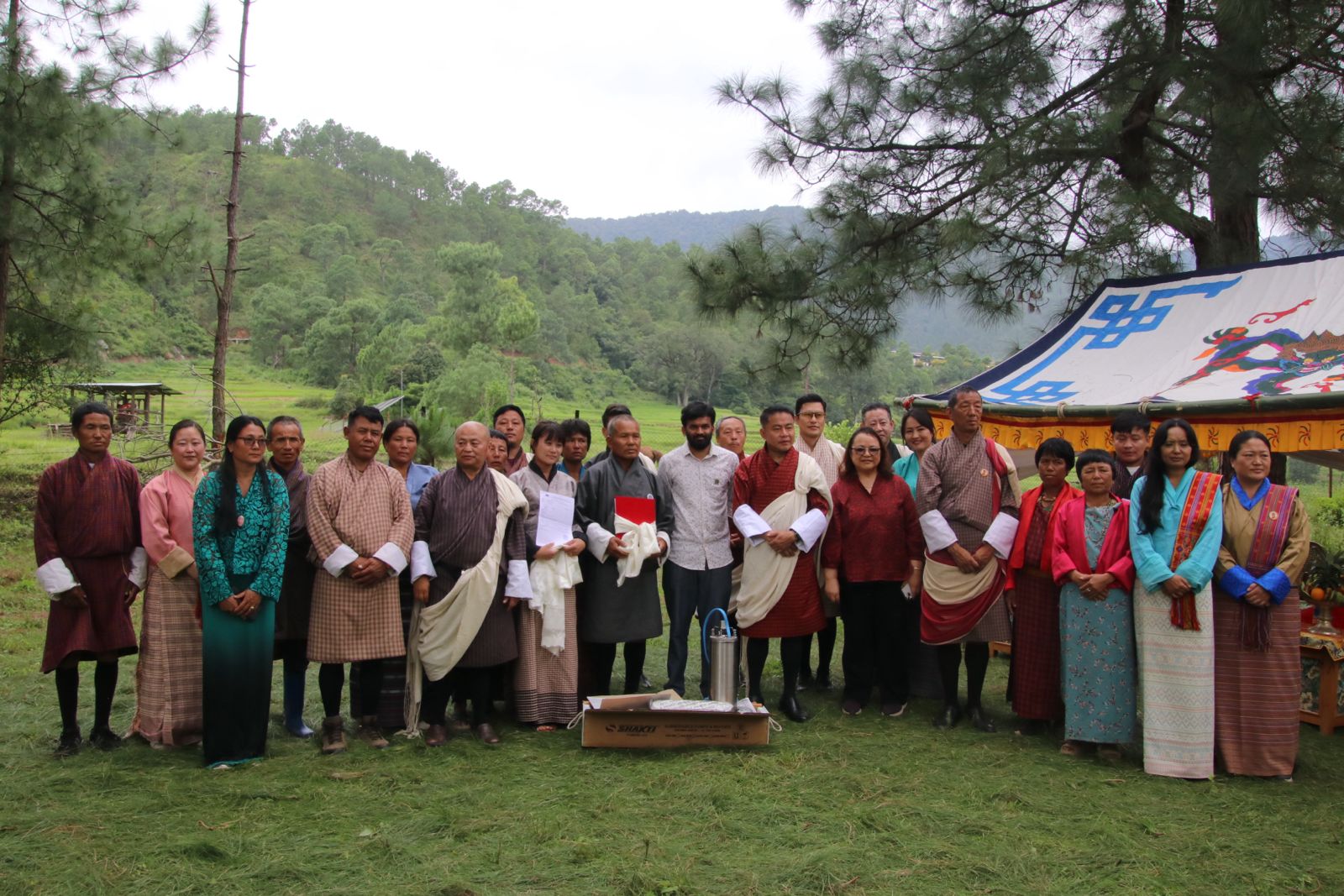
The inauguration in Tempakha brought together representatives of national and local government institutions, project partners, communities and Water User Associations (WUAs) to celebrate the completion and commissioning of the two pilot systems and their formal handover to the local users.
Speaking at the inauguration, Karma P Dorji, Director General, DoE said: “These systems are only as strong as the care the community gives them. What we hand over today is not just equipment, it’s a responsibility. A solar panel is built to last 25 years, but with good care from the community, that can stretch to 30. That can be done only by Humpathang and Tempakha, through how they look after these systems day to day. I have full confidence that you will carry this forward, and that this will stand as a model that other mountain communities can follow.”
In her remarks during the event, Dr. Sarala Khaling, Strategic Group Head of Landscapes and Economies at ICIMOD, stressed the need to showcase practical solutions that link renewable energy, agriculture, livelihoods and gender equality in mountain communities.
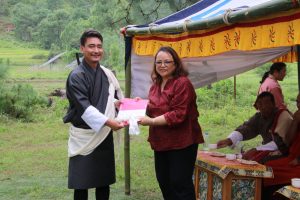
The two pilot systems represent different approaches to community ownership and management. The Humpathang system is privately owned, and the Tempakha system is managed by a community. The inauguration marked the official transfer of the completed systems to the Department of Energy and associated operational assets to the Water User Associations and the beneficiary, thereby increasing local ownership and accountability for their operation and management. The event also marked the inclusion of solar-powered irrigation in the curriculum at College of Natural Resources to build future technical capacity in Bhutan.
For more information, contact:
Karma Cheki,
MoENR Information and Media Officer
kcheki@moenr.gov.bt