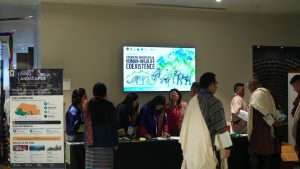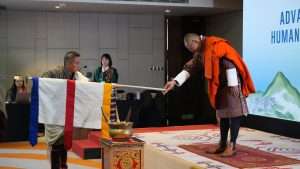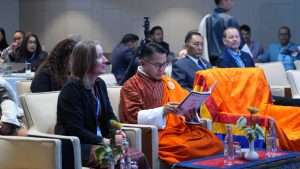
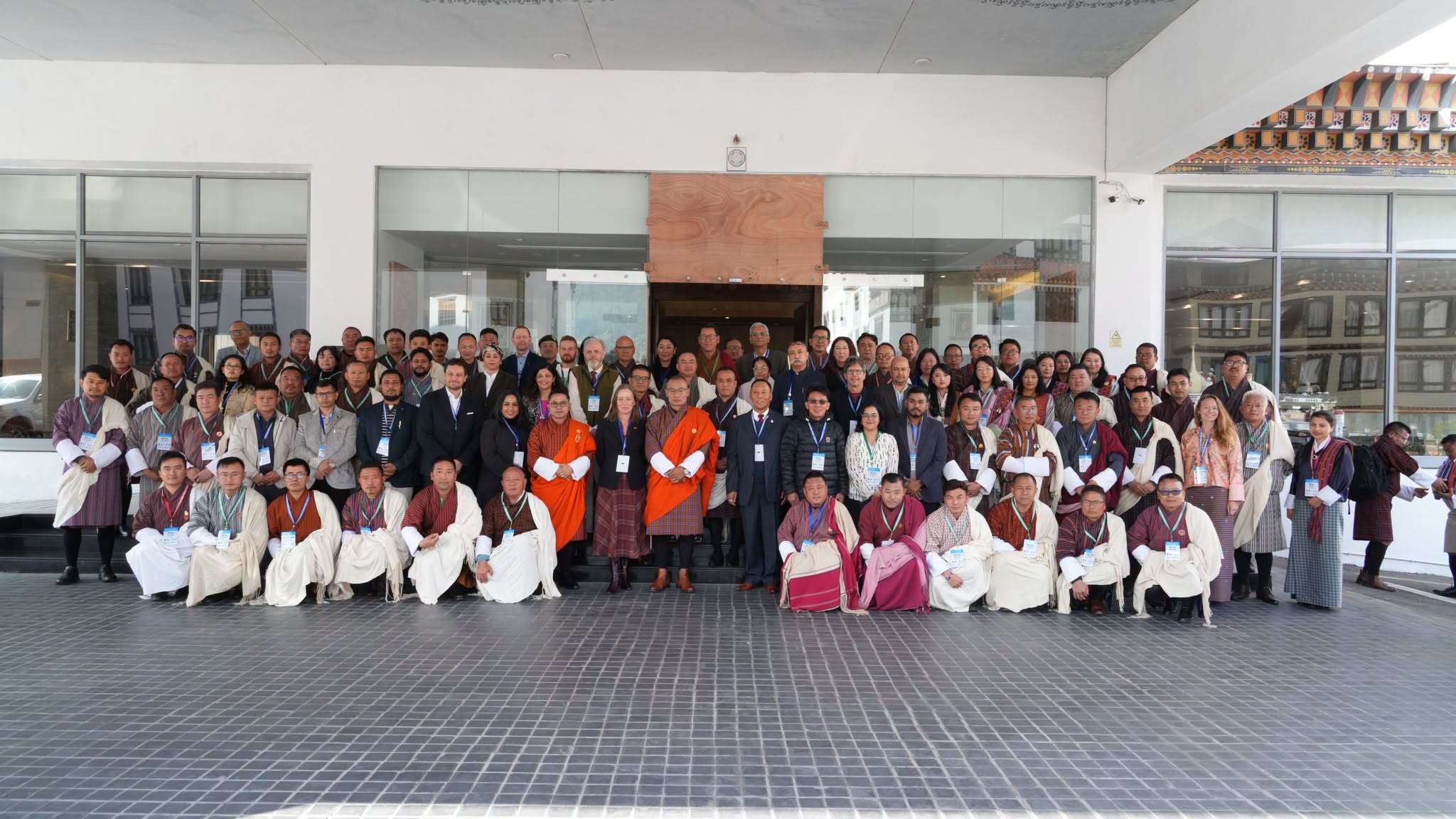
The Department of Forests and Park Services (DoFPS), Ministry of Energy and Natural Resources in collaboration with WWF-Bhutan, the Ministry of Agriculture and Livestock, and Tarayana Foundation, officially convened the Regional Conference on Innovation in Human Wildlife Coexistence today.
Supported by the International Climate Initiative (IKI), the high-level conference was graced by Honourable Prime Minister Dasho Tshering Tobgay as the Chief Guest. The three-day conference brings together regional practitioners, conservation organizations, international experts, local government leaders, and community representatives to rethink human-wildlife conflict (HWC) through a holistic, systemic lens.
Rethinking Human-Wildlife Conflict through a systemic lens
Traditionally, human-wildlife conflict, such as crop damage, elephant encounters, or livestock predation, has been approached in isolation as a localized wildlife management issue. The regional conference marks a pivotal shift towards expanding this perspective. The presentations, panels and discussions will focus the broader systemic factors, including infrastructure planning, urban development, and changing land-use dynamics as broader systemic factors diving human-wildlife conflict.
The conference provides space for long-term thinking to plant the seeds of sustainable coexistence and support vulnerable frontline communities, rather than relying solely on immediate, reactive measures or short-term relief.
Three-day conference structure and highlights:
Day 1- Confronting complexity: Day one will build a shared understanding of the ecological, social, institutional, and landscape dimensions of human-wildlife coexistence. Participants will examine drivers, patterns, and impacts of human-wildlife interactions, explore why conventional conflict response approaches are often insufficient, and establish a foundation for more integrated, holistic and systems-based approaches to coexistence.
Day 2 – Exploring holistic and innovative approaches: The second day will explore holistic pathways and innovative approaches for strengthening coexistence systems. Through case studies, expert dialogue and practical examples, participants will examine how governance, community stewardship, ecological science, technology, adaptive management, sustainable financing, and landscape-level approaches can work together to address the underlying drivers of conflict and strengthen long-term coexistence.
Day 3 – Dialogue on pathways forward: Day three will create space for reflection and dialogue on what the insights mean for Bhutan and the broader Eastern Himalayan region, shifting the conversation from innovation to implementation.
Pioneering the Bhutan Coexistence Agenda 2030
A central objective of the conference is to build a shared understanding of human-wildlife coexistence and launch the development of the Bhutan Coexistence Agenda 2030.
Building upon the existing National Human-Wildlife Conflict Management Framework, the strategic roadmap will identify key enablers, challenges and opportunities across ecological, operational and financial dimensions.